


As a supplier of soundproof cabins, I've often been asked whether our products can be used for virtual reality (VR) experiences. The short answer is yes, and in this blog post, I'll delve into the reasons why soundproof cabins are an excellent choice for enhancing VR immersion, the benefits they offer, and how they can elevate your VR setup.
The Need for Immersion in VR
Virtual reality is all about creating a sense of presence in a digital environment. It aims to transport users to different worlds, whether it's exploring ancient ruins, flying through space, or competing in high - speed races. To achieve this, a high level of immersion is crucial. Immersion in VR is a multi - sensory experience that combines visual, auditory, and sometimes tactile elements.
Sound plays a vital role in VR immersion. It can provide cues about the environment, such as the sound of footsteps on different surfaces, the roar of a waterfall, or the hum of machinery. Accurate and high - quality sound can make the virtual world feel more real and engaging. However, external noise can easily break this immersion, pulling users out of the virtual experience and back into the real world.
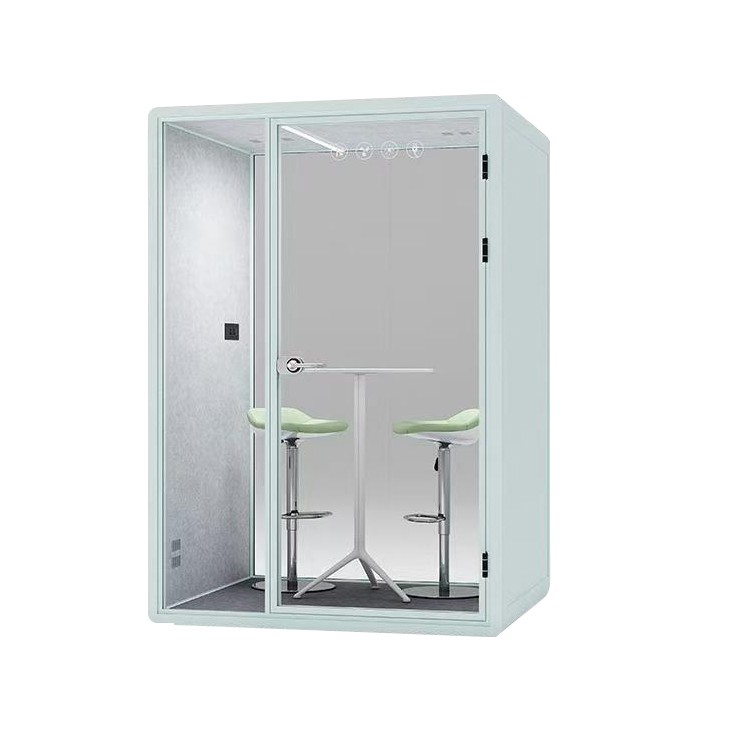

How Soundproof Cabins Enhance VR Immersion
Isolation from External Noise
One of the primary functions of a soundproof cabin is to block out external noise. In a typical home or office environment, there are numerous sources of noise, such as traffic, conversations, and the hum of electrical appliances. These sounds can be distracting and interfere with the audio in a VR experience.
A soundproof cabin creates a quiet space where users can fully focus on the VR audio. For example, if you're in a VR game where you need to listen for approaching enemies based on their footsteps, external noise can make it difficult to detect these subtle sounds. By eliminating external distractions, a soundproof cabin allows users to pick up on every audio detail in the virtual world, enhancing the overall sense of immersion.
Improved Audio Quality
Soundproof cabins are designed to minimize sound reflections and reverberations. In an open space, sound waves bounce off walls, floors, and ceilings, creating echoes and muddling the audio. This can make it difficult to distinguish between different sounds in a VR experience.
Inside a soundproof cabin, the acoustic treatment helps to control the sound environment. Specialized insulation materials and wall panels absorb sound waves, reducing reflections and ensuring that the audio from the VR headset is clear and crisp. This is particularly important for VR applications that rely on 3D audio, where accurate sound localization is essential for a realistic experience.
Privacy and Comfort
VR experiences can be very personal and immersive, and many users prefer to have a private space where they can fully engage without being watched or interrupted. A soundproof cabin provides this privacy, allowing users to let go and fully immerse themselves in the virtual world.
Moreover, soundproof cabins can be customized to provide a comfortable environment for VR use. They can be equipped with proper ventilation to prevent overheating, and the interior can be designed to be spacious enough for users to move around freely during their VR experiences.
Types of Soundproof Cabins Suitable for VR
Soundproof Office Cabin Box
These compact and versatile cabins are a great option for home or office use. They are easy to install and can be placed in a corner of a room. The soundproof office cabin box offers a relatively small but highly effective space for VR. It can be equipped with the necessary power outlets and ventilation systems to support VR equipment.
Soundproof House
For those who want a more spacious and elaborate VR setup, a soundproof house is an ideal choice. These larger cabins can accommodate multiple users and can be designed to include additional features such as seating areas, storage for VR equipment, and advanced acoustic treatments. A soundproof house provides a dedicated and immersive space for VR experiences, similar to a private theater but tailored for virtual reality.
Considerations When Using Soundproof Cabins for VR
Size and Space
When choosing a soundproof cabin for VR, it's important to consider the size of the cabin in relation to the VR activities you plan to engage in. Some VR experiences require a lot of physical movement, such as room - scale VR games. In this case, you'll need a cabin that is large enough to allow for unrestricted movement without hitting the walls.
Ventilation
VR equipment can generate heat, especially high - end headsets and powerful gaming PCs. Adequate ventilation is essential to prevent the cabin from becoming too hot, which can be uncomfortable for users and may also affect the performance of the VR equipment. Make sure the soundproof cabin you choose has a proper ventilation system in place.
Equipment Compatibility
Ensure that the cabin has the necessary infrastructure to support your VR equipment. This includes power outlets, cable management solutions, and enough space to set up the VR headset, controllers, and any additional sensors.
Conclusion
In conclusion, soundproof cabins are an excellent addition to any VR setup. They offer a quiet, private, and acoustically optimized space that enhances the immersion and quality of VR experiences. Whether you're a casual VR user looking to improve your home setup or a professional in the VR industry seeking a dedicated space for development and testing, a soundproof cabin can make a significant difference.
If you're interested in exploring the possibilities of using a soundproof cabin for your VR experiences, I encourage you to reach out to us. We can provide you with detailed information about our products, help you choose the right cabin for your needs, and guide you through the installation process. Contact us today to start your journey towards a more immersive VR experience.
References
- "The Impact of Sound on Virtual Reality Immersion" - Journal of Virtual Reality Research
- "Acoustic Design for Immersive Audio in Virtual Environments" - Proceedings of the International Conference on Acoustics


