


As a supplier of Soundproof House, I've witnessed firsthand the growing demand for soundproofing solutions in residential settings. Homeowners are increasingly seeking ways to create quiet, peaceful environments free from the noise pollution of the outside world. However, while the benefits of soundproofing in terms of noise reduction are well-documented, there's a less-discussed aspect that deserves our attention: the impact of soundproofing on indoor air quality.
The Basics of Soundproofing and Indoor Air Quality
To understand the relationship between soundproofing and indoor air quality, it's essential to first grasp the basic principles of both. Soundproofing involves the use of materials and techniques to reduce the transmission of sound waves from one area to another. Common soundproofing materials include insulation, acoustic panels, and double-glazed windows, which work by absorbing, reflecting, or dampening sound.
On the other hand, indoor air quality refers to the quality of the air inside a building and its impact on the health and comfort of the occupants. Poor indoor air quality can be caused by a variety of factors, including pollutants such as dust, pollen, mold, and volatile organic compounds (VOCs). These pollutants can have a range of negative health effects, from mild irritation to more serious respiratory problems.
How Soundproofing Can Affect Indoor Air Quality
One of the primary ways soundproofing can impact indoor air quality is through its effect on ventilation. Many soundproofing materials are designed to create a tight seal, which can reduce the amount of air exchange between the inside and outside of a building. While this can be beneficial for noise reduction, it can also lead to a buildup of pollutants and moisture inside the home, potentially compromising indoor air quality.
For example, insulation materials such as fiberglass and foam can trap air and prevent proper ventilation. If not installed correctly, these materials can also release small particles into the air, which can be inhaled by the occupants. Additionally, acoustic panels and other sound-absorbing materials can accumulate dust and dirt over time, which can contribute to poor indoor air quality if not regularly cleaned.
Another potential issue is the use of VOC-emitting materials in soundproofing. Many paints, adhesives, and sealants used in the construction of soundproof rooms contain VOCs, which can off-gas into the air and pose a health risk. These chemicals can cause a variety of symptoms, including headaches, dizziness, and respiratory irritation.
The Positive Impact of Soundproofing on Indoor Air Quality
Despite these potential drawbacks, soundproofing can also have a positive impact on indoor air quality in certain situations. For example, by reducing the amount of outside noise, soundproofing can encourage homeowners to keep their windows closed, which can help prevent the entry of outdoor pollutants such as pollen, dust, and vehicle exhaust.
In addition, some soundproofing materials can actually improve indoor air quality. For instance, certain types of insulation can help regulate temperature and humidity levels, which can reduce the growth of mold and mildew. Mold and mildew are common indoor air pollutants that can cause respiratory problems and other health issues.
Furthermore, soundproofing can create a more comfortable and relaxing environment, which can have a positive impact on overall well-being. When people are less stressed and more comfortable in their homes, they are likely to have better immune systems, which can help them resist the effects of poor indoor air quality.
Strategies for Maintaining Good Indoor Air Quality in a Soundproofed Home
As a Soundproof House supplier, we understand the importance of balancing soundproofing with good indoor air quality. Here are some strategies that homeowners can implement to ensure their soundproofed homes have healthy air:
- Proper Ventilation: Ensure that your home has adequate ventilation to allow for the exchange of fresh air. This can be achieved through the use of mechanical ventilation systems, such as exhaust fans and air purifiers, or by opening windows regularly when the outside air quality is good.
- Choose Low-VOC Materials: When selecting soundproofing materials, look for products that are labeled as low-VOC or VOC-free. This can help reduce the amount of harmful chemicals released into the air.
- Regular Cleaning: Keep your soundproofing materials clean by dusting and vacuuming regularly. This can help prevent the buildup of dust and dirt, which can contribute to poor indoor air quality.
- Monitor Indoor Air Quality: Use an indoor air quality monitor to keep track of the levels of pollutants and moisture in your home. This can help you identify any potential issues early on and take appropriate action.
Case Studies: Real-World Examples
To illustrate the impact of soundproofing on indoor air quality, let's look at a couple of real-world examples.
Case Study 1: A Family in a Soundproofed Apartment
A family living in a busy urban area decided to soundproof their apartment to reduce the noise from the street. They installed double-glazed windows and acoustic panels on the walls. Initially, they noticed a significant improvement in noise reduction, but they also started to experience some health issues, such as headaches and respiratory irritation.
Upon further investigation, they discovered that the lack of ventilation in the soundproofed apartment was causing a buildup of pollutants and moisture. They installed an air purifier and a ventilation system, which helped improve the indoor air quality and alleviate their symptoms.
Case Study 2: A Home Office in a Soundproof Cabin
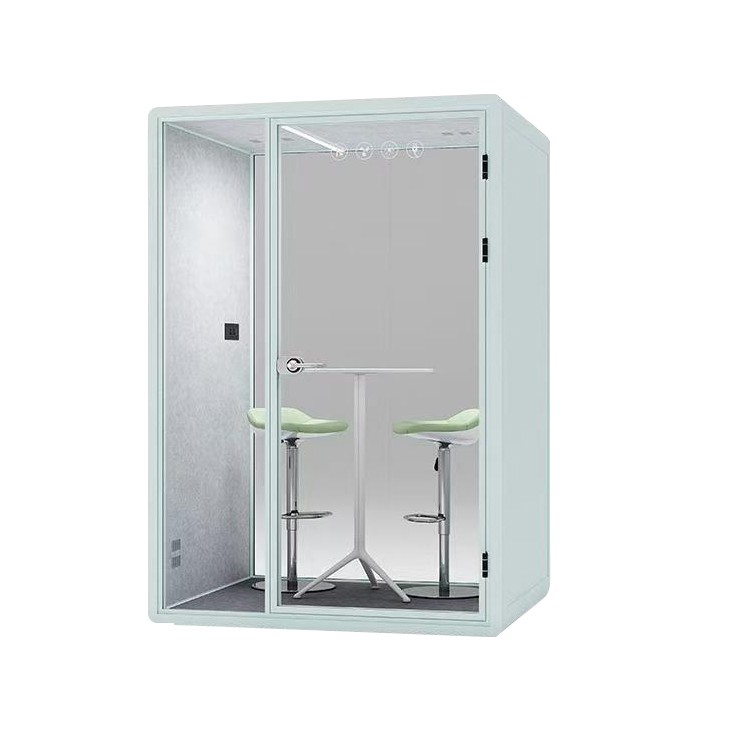
A freelance writer set up a Soundproof Office Cabin Box in their backyard to create a quiet workspace. They used high-quality insulation and acoustic panels to ensure maximum soundproofing. To maintain good indoor air quality, they installed a mechanical ventilation system and used low-VOC paints and adhesives.
As a result, the writer was able to enjoy a quiet and comfortable workspace without sacrificing indoor air quality. They reported feeling more productive and less stressed, which had a positive impact on their overall well-being.

Conclusion and Call to Action
In conclusion, soundproofing can have both positive and negative impacts on indoor air quality. While it can help reduce noise pollution and create a more comfortable living environment, it's important to be aware of the potential risks and take steps to mitigate them. By choosing the right soundproofing materials, ensuring proper ventilation, and regularly maintaining your home, you can enjoy the benefits of soundproofing without compromising your health.
If you're considering soundproofing your home or office, we encourage you to reach out to us for professional advice and high-quality soundproofing solutions. Our team of experts can help you select the right materials and design a soundproofing system that meets your specific needs while maintaining good indoor air quality. Contact us today to start the conversation and take the first step towards a quieter, healthier home.
References
- American Society of Heating, Refrigerating and Air-Conditioning Engineers (ASHRAE). (2019). Ventilation for Acceptable Indoor Air Quality.
- Environmental Protection Agency (EPA). (2021). Indoor Air Quality.
- World Health Organization (WHO). (2018). Guidelines for Indoor Air Quality: Dampness and Mould.


