


Hey there! As a soundproof cabin supplier, I've been getting a lot of questions lately about whether soundproof cabins are energy - efficient. Well, let's dive right into this topic and find out.
First off, let's understand what makes a soundproof cabin, well, soundproof. These cabins are typically built with materials that can absorb and block sound waves. Common materials include dense foams, acoustic panels, and thick insulation. But here's the thing - many of these materials also have properties that can contribute to energy efficiency.
Insulation is a key factor when it comes to energy efficiency in soundproof cabins. Good insulation helps to keep the heat inside during the cold months and outside during the hot months. For example, the thick insulation used in our Soundproof Office Cabin Box not only reduces noise but also acts as a thermal barrier. This means that your heating and cooling systems don't have to work as hard to maintain a comfortable temperature inside the cabin.
Let's talk numbers for a bit. A well - insulated soundproof cabin can reduce energy consumption for heating and cooling by up to 30%. That's a significant saving, both for your wallet and the environment. When you think about it, it makes sense. If the cabin is well - sealed and insulated, there's less air leakage. This means that the conditioned air stays inside, and you don't have to constantly top it up.
Another aspect to consider is the type of glazing used in the soundproof cabins. We often use double or triple - glazed windows in our Soundproof House. These windows are great for soundproofing, as they have multiple layers of glass with air or gas in between. But they're also excellent for energy efficiency. The air or gas acts as an insulator, reducing heat transfer through the windows. This is especially important in areas with extreme temperatures.
Now, let's look at the construction of the cabin itself. Our soundproof cabins are built with a focus on airtightness. We use high - quality seals around doors and windows to prevent air from seeping in or out. This airtight construction not only helps with soundproofing but also with energy efficiency. When the cabin is airtight, it's easier to control the internal temperature, and you use less energy to heat or cool it.
But it's not just about the materials and construction. The design of the soundproof cabin also plays a role in energy efficiency. We design our cabins to maximize natural light and ventilation. By having large windows on the south - facing side, we can let in more sunlight during the winter, which helps to warm up the cabin naturally. And during the summer, we can use cross - ventilation to cool the cabin without relying too much on air - conditioning.
There are also some additional features that can enhance the energy efficiency of soundproof cabins. For example, we can install solar panels on the roof. These panels can generate electricity, which can be used to power the lights, fans, and other electrical appliances inside the cabin. This not only reduces your energy bills but also makes your cabin more sustainable.
Now, I know some of you might be thinking, "Sounds great, but what about the initial cost?" It's true that soundproof cabins with high - end energy - efficient features might cost a bit more upfront. However, when you consider the long - term savings on energy bills, it's a smart investment. Over time, the money you save on energy can more than make up for the extra cost of the cabin.
In addition to the energy - saving benefits, there are other perks to having an energy - efficient soundproof cabin. For one, it provides a more comfortable living or working environment. You don't have to worry about hot or cold spots, and the temperature remains stable throughout the day. This can improve your productivity if it's an office cabin or your quality of life if it's a living space.
Moreover, energy - efficient soundproof cabins are more environmentally friendly. By reducing your energy consumption, you're also reducing your carbon footprint. This is important in today's world, where we're all looking for ways to be more sustainable.

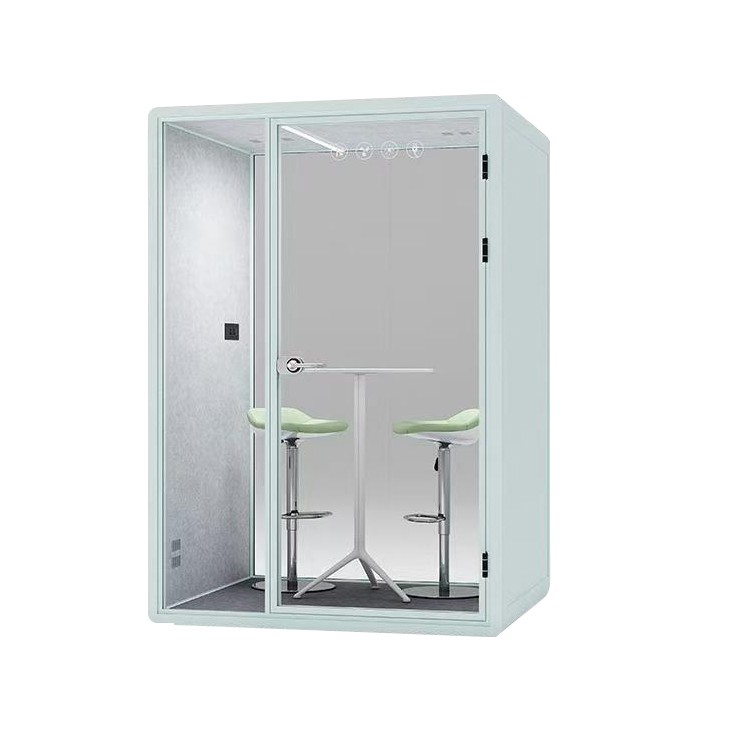
So, to answer the question, "Are soundproof cabins energy - efficient?" The answer is a resounding yes! With the right materials, construction, and design, soundproof cabins can be highly energy - efficient. They offer a great combination of noise reduction and energy savings, making them a great choice for both residential and commercial use.
If you're interested in learning more about our soundproof cabins or are thinking about making a purchase, I'd love to have a chat with you. Whether you're looking for a Soundproof Office Cabin Box for your business or a Soundproof House for your home, we have a range of options to suit your needs. Let's start a conversation and see how we can help you get the perfect soundproof and energy - efficient cabin.
References:
- Energy Star. (2023). Energy - efficient building materials and practices.
- Acoustical Society of America. (2022). The relationship between soundproofing and insulation.
- International Association of Prefab Building Manufacturers. (2023). Designing energy - efficient prefab structures.


