


Hey there! As a supplier of Soundproof House, I get tons of questions from customers about making sure their soundproofing meets building codes. It's a big deal, right? You don't want to invest in a soundproof space only to find out it doesn't pass muster with the local authorities. So, here's the lowdown on how you can ensure your soundproofing setup is up to snuff.
Understanding the Basics of Building Codes
First things first, building codes are like the rulebook for construction and renovations. They're put in place to protect your health, safety, and general well - being. When it comes to soundproofing, these codes usually focus on things like reducing noise transmission between different parts of a building or between a building and the outside world.
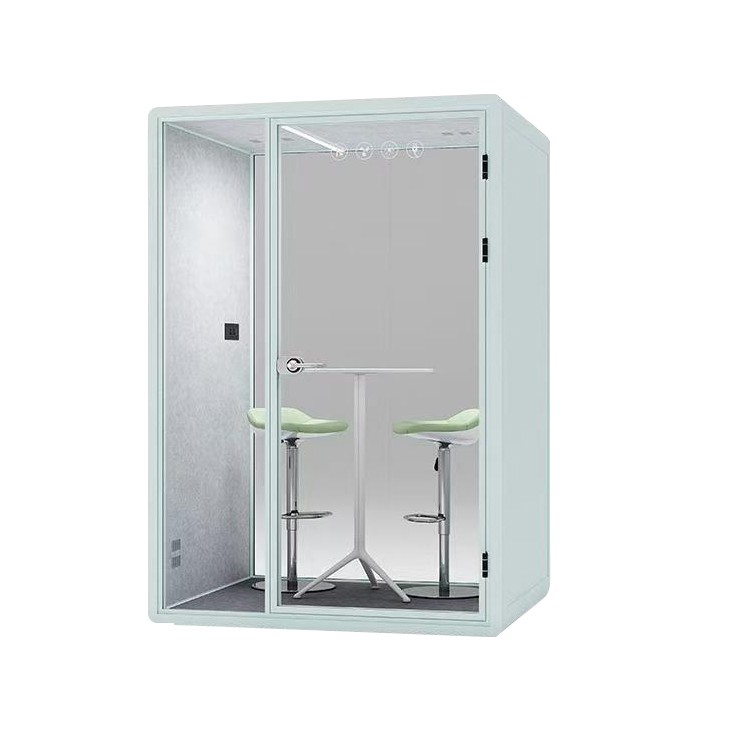
The specific codes can vary a lot depending on where you are. Some areas might have strict requirements for multi - family dwellings to keep neighbors from hearing each other's business, while others might be more concerned about commercial spaces like Soundproof Office Cabin Box to ensure a quiet working environment.
To figure out what codes apply to you, start by contacting your local building department. They can give you the exact rules for your area, whether it's about the minimum Sound Transmission Class (STC) ratings or the type of materials you can use.
Material Matters
The materials you choose for your soundproofing are key to meeting building codes. Different materials have different sound - absorbing and blocking properties.
Insulation
Good insulation is a must. Fiberglass, cellulose, and mineral wool are popular choices. Fiberglass is affordable and easy to install. It works by trapping air in its fibers, which helps to slow down sound waves. Cellulose is made from recycled paper and treated with fire - retardant chemicals. It can be blown into walls and attics, filling in all the nooks and crannies to block sound. Mineral wool is great for high - performance soundproofing. It's fire - resistant and can handle high temperatures, making it a good option for both residential and commercial buildings.
Drywall
When it comes to drywall, you can't just use any old stuff. Special soundproof drywall, like 5/8 - inch thick or double - layered drywall, is often required by building codes. These types of drywall are denser and heavier than standard drywall, which helps to reduce sound transmission. Some soundproof drywalls also have added layers or materials that are designed to absorb sound.
Sealing Materials
Don't forget about sealing! Gaps and cracks in your walls, floors, and ceilings can let sound leak through. Use acoustic caulk to seal around windows, doors, pipes, and electrical outlets. Weatherstripping on doors and windows can also help to keep sound out. There are also spray - on foam sealants that can fill large gaps and cavities.
Installation is Everything
Even if you use the best materials, if they're not installed correctly, your soundproofing won't meet building codes.
Wall and Ceiling Installation
When installing insulation in walls and ceilings, make sure it's packed tightly. Loose insulation won't do a good job of blocking sound. For drywall, use the right number of screws and space them evenly to ensure a solid installation. If you're using multiple layers of drywall, stagger the seams to prevent sound from traveling through the gaps.
Door and Window Installation
Doors and windows are often weak points in soundproofing. Make sure your doors are solid - core and fit tightly in their frames. You can add a door sweep to the bottom of the door to seal the gap. For windows, consider double - or triple - pane glass. The air space between the panes helps to block sound. And don't forget to seal around the window frames with caulk or weatherstripping.
Testing and Certification
Once you've installed your soundproofing, it's time to test it. You can hire a professional acoustical consultant to do a sound test. They'll use specialized equipment to measure the STC rating of your soundproofing.
The STC rating tells you how well a material or structure blocks sound. The higher the STC rating, the better the soundproofing. Building codes usually specify a minimum STC rating for different types of spaces. For example, a bedroom might need an STC rating of 50 or higher to ensure a quiet sleeping environment.
If your soundproofing passes the test, you'll get a certification. This is important because it shows that your soundproofing meets building codes. Keep this certification on file in case you ever need to prove compliance to the building department.
Working with a Professional
Let's face it, soundproofing can be complicated. If you're not confident in your DIY skills, it's a good idea to work with a professional contractor. A contractor who specializes in soundproofing will know the building codes inside out and will have the experience to install the materials correctly.

They can also help you choose the right materials for your specific needs and budget. And if there are any issues with the installation or the soundproofing doesn't meet the codes, they'll be able to fix it.
Staying Up - to - Date
Building codes can change over time. What was okay a few years ago might not be up to par now. That's why it's important to stay informed about any code updates. You can subscribe to newsletters from your local building department or follow industry blogs to keep up with the latest changes.
Wrapping It Up and Reaching Out
Ensuring that the soundproofing in your house meets building codes is a multi - step process. It starts with understanding the codes, choosing the right materials, installing them correctly, testing, and staying up - to - date.
As a Soundproof House supplier, I'm here to help you every step of the way. Whether you're looking for a complete soundproof house or just need some advice on soundproofing your office with a Soundproof Office Cabin Box, I've got the knowledge and the products to make it happen.
If you're interested in learning more or starting a project, don't hesitate to reach out. Let's work together to create a quiet, code - compliant space that you'll love.
References
- Local Building Department Guidelines
- Acoustical Society of America Publications
- Manufacturer's Specifications for Soundproofing Materials


